Resources · Small business marketing guide

Small business marketing guide

A practical guide for any business owner: fix the website your marketing leads to, get found on Google, pay for traffic that pays back, and check the work you’re paying for.

Built on Australian search data and Google’s published guidance · updated November 2026

Tap the sonar to ping the deep

Sonar check

Find your starting depth

Four quick questions point you to the stage, and the guides, that matter most right now.

  1. Does your website load fast on a phone and make it easy to call or enquire?

  2. Can a first-time visitor see reviews, real photos and who runs the business?

  3. Do you show up on Google for your main services in your area?

  4. Do you know what an enquiry costs you from each marketing channel?

Depth reading

Answer to get a reading

Your result appears here as you go. Nothing is saved or sent anywhere.

The route

Four stages from guesswork to a plan

Most wasted marketing money comes from doing these in the wrong order: paying for ads before the website works, or paying for SEO with no way to tell if it’s working. Work down through the stages. Each one links to a detailed guide or a free tool.

Stage 1 · Surface · 0 m

Fix the foundations

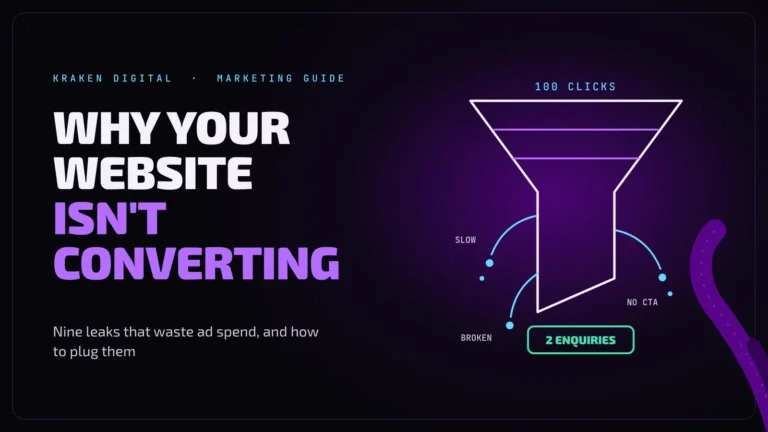
Every channel you pay for, from Google Ads to a flyer, sends people to your website. If it’s slow, confusing or broken on a phone, you lose them there. Find and fix the leaks before you spend on traffic.

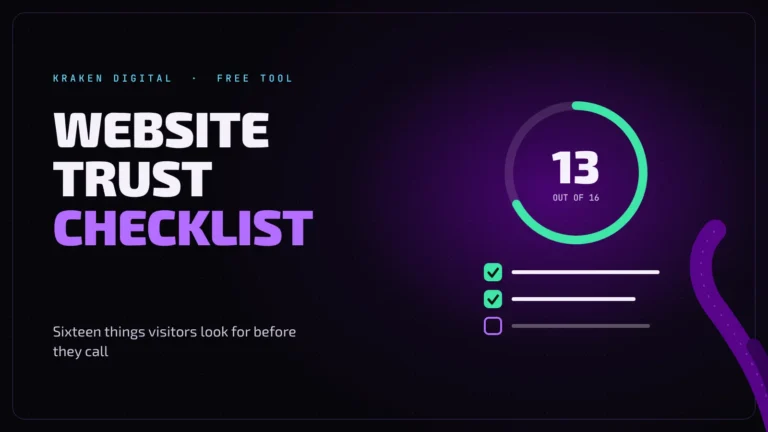
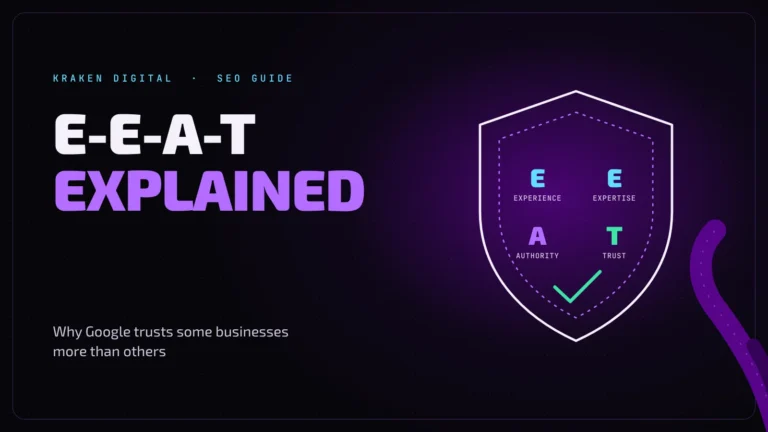
Then give strangers a reason to trust you. Reviews, real photos, named people and clear business details are what customers look for, and what Google calls E-E-A-T.

Also useful

Stage 2 · Sunlight · 200 m

Get found on Google

When people need what you sell, they search. Showing up takes a complete Google Business Profile, a clear page for each service, and a site Google has reasons to trust.

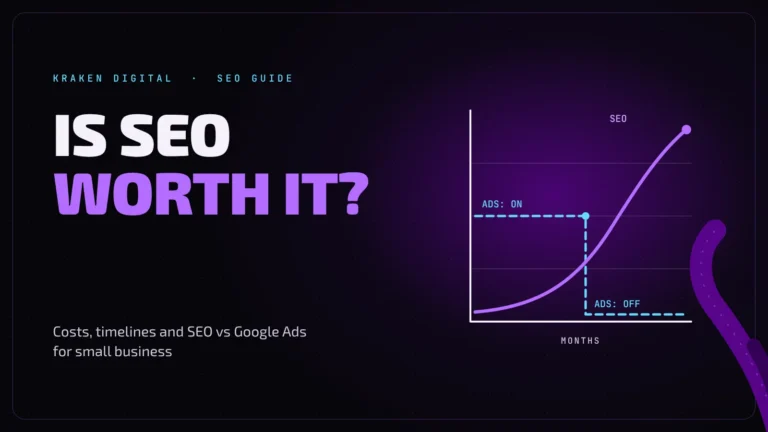
SEO takes months, not weeks, and it isn’t right for every business. Here’s how to decide, what it costs, and how it compares with paying for ads.

Also useful

Stage 3 · Twilight · 1,000 m

Pay for traffic that pays back

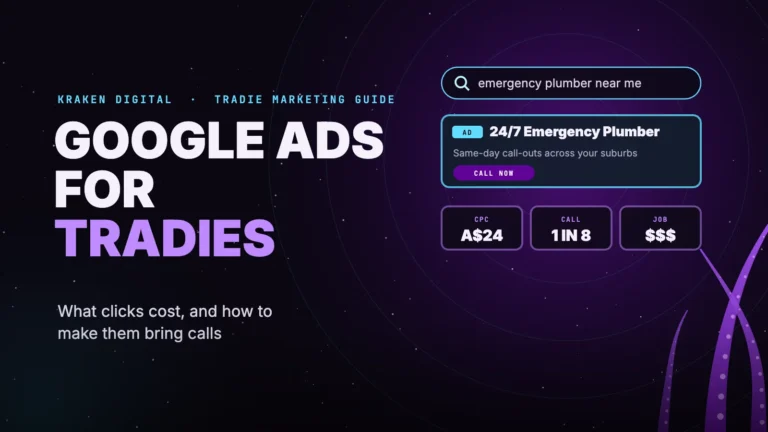
Ads can bring enquiries this week, which SEO can’t. But ads only buy the visit. What you get back depends on what your website does with it, so know your numbers before you raise the budget.

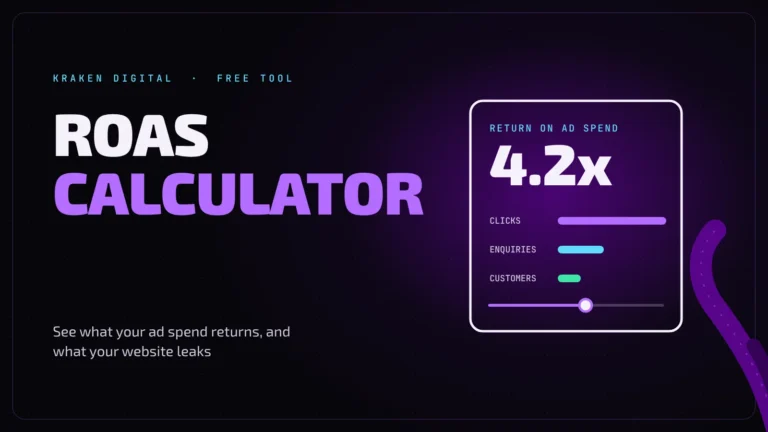
Use the ROAS calculator to see your return on ad spend, your cost per enquiry, and what the same budget would return if your website converted better.

Also useful

Stage 4 · Midnight · 4,000 m

Check the work and own your assets

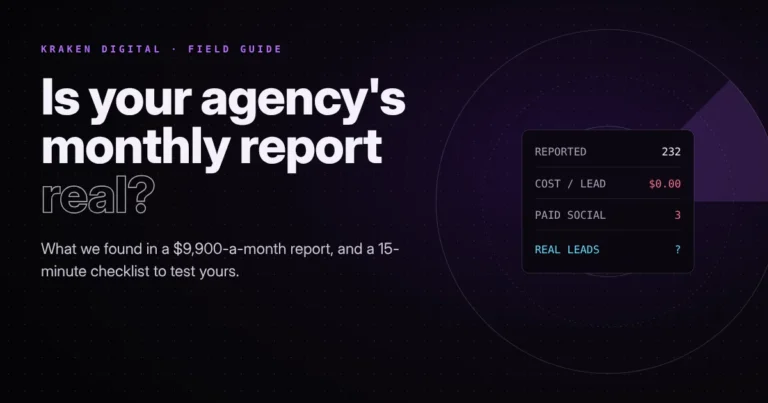
Whether you do it yourself or pay an agency, you should be able to see what was done and what it brought in. Rankings and clicks are early signs. Enquiries and customers are the result.

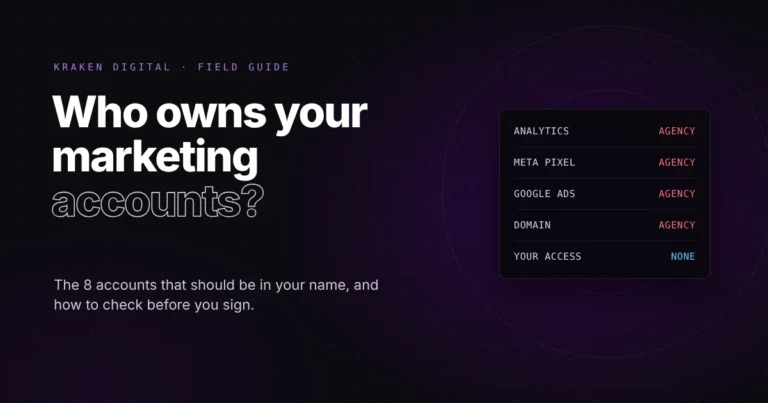
Make sure you own the things your marketing is built on: your domain, website, Google Business Profile and ad accounts. If an agency holds them, leaving gets expensive.

Also useful

Your dive log

The small business marketing checklist

Tick things off as you go. Your progress stays in this browser only, so you can come back to it.

0 of 16 done
Stage 1 · Website
Stage 1 · Trust
Stage 2 · Get found
Stage 3 and 4 · Spend and check

Questions

Small business marketing: FAQs

How should a small business start marketing?

Start with the things every other channel depends on: a website that loads fast, explains what you do and makes it easy to enquire, plus visible proof that you can be trusted. Then get found on Google, add paid ads if you need work sooner, and track what each enquiry costs.

What is the most effective marketing for a small business?

For most local service businesses it is being found when people search: a complete Google Business Profile with reviews, and a website with a clear page for each service. It keeps working without a fee per click. Ads are effective for speed, and work best when the website already converts.

How much should a small business spend on marketing?

There is no single right figure. Work back from what a new customer is worth to you in profit and what you can afford to pay to win one. Then fund the channels that bring customers at or under that cost, and stop the ones that don’t.

Should I fix my website before paying for ads?

Yes, at least the page your ads send people to. Ads buy visits. If the page is slow, confusing or untrustworthy, you pay for clicks that leave.

Should I do SEO or Google Ads first?

If you need enquiries this month, start with a small, tightly targeted Google Ads campaign. If you can wait a few months, SEO usually costs less per enquiry over time. Many businesses run ads first and build SEO alongside so they can spend less on ads later.

Sources: Semrush keyword data (Australia, November 2026) · Google Search Central: helpful, reliable, people-first content · Google Ads Help: Quality Score. Checked November 2026.

Scroll to Top