How to Get NDIS Clients: Referrals, Google and Trust
You’ve set up your NDIS business, and maybe you’re registered. Now the quiet phone. Knowing how to get NDIS clients comes down to two routes: people who refer participants to you, and participants and families who find you themselves on Google. This guide covers both, with the channels that work, what referrers look for, and the mistakes that cost new providers trust.
We run this play ourselves. Kraken Digital shares an owner with Good Company Disability Services, an NDIS provider in Victoria and Western Australia, and the website we built for it ranks first on Google for “NDIS mentor”.
The short version
- Be specific. Say exactly which supports you offer, to whom, and in which suburbs. Vague providers don’t get referred.
- Make referring you easy. Support coordinators, plan managers and allied health professionals want a quick way to check you and send a referral.
- Show up on Google. One page per support and service area, plus a complete Google Business Profile.
- Respond fast. The provider who calls back the same day usually wins the participant.
- Track every enquiry so you know which channel is worth your time.
Where NDIS clients come from
Most new participants reach a provider through one of these channels. Each moves at a different speed and cost:
Referrals
Support coordinators
Referrals
Plan managers
Referrals
Allied health and hospitals
Search
Google Search and Maps
Search
Provider Register listing
Paid
Google Ads
Community
Word of mouth and local groups
Platforms
Digital marketplaces
Longer bar = faster, cheaper or longer-lasting. Our rough view from running an NDIS provider, not a formal study.
Build referral relationships
Support coordinators help participants put their plans into action and often suggest providers. Plan managers see which providers participants use and get asked for recommendations. Local area coordinators, early childhood partners, allied health professionals and hospital discharge planners all meet participants who need supports.
What they want from you is simple: proof you’re reliable, clear details on what you do, and confidence you won’t leave their participant stranded. Give them that in a form they can use in two minutes.
Sonar check · your referral pack
- A one-page summary: supports, participant groups, suburbs, registration status and current capacity
- A referral form or email address that gets a reply the same business day
- A web page for each support, so a coordinator can send the link straight to a family
- Honest capacity updates: tell referrers when you have spots, and when you don’t
- A named person they can call
Then keep in touch. A short monthly capacity update by email often does more than a stack of flyers.
Get found on Google and Maps
Families and participants search for things like “disability support [suburb]” or “NDIS occupational therapy near me”. Coordinators Google you before they refer too. To show up:
- Create a page for each support and area. One generic services page can’t rank for everything.
- Complete your Google Business Profile with categories, service areas, photos (with consent) and opening hours. See our Google Business Profile setup guide.
- Ask happy participants and families for reviews, without offering anything in return.
- If registered, keep your Provider Register listing accurate, because participants and coordinators use it to check providers.
We explain the search side in detail in how NDIS participants find providers online and SEO for NDIS providers.
Earn trust before the first call
NDIS supports are personal. Before anyone calls, they want to know you’re safe, kind and good at what you do. Your website does most of this work:
- Plain-English pages, readable by someone using a screen reader or on a phone
- Real photos of your team (and of participants only with written consent)
- Who you support, where, and whether you are registered
- Your complaints process and how you keep people safe
- Clear next steps: call, email or a short enquiry form
What to avoid
Some shortcuts break the rules and lose trust fast. The NDIA warns providers against:
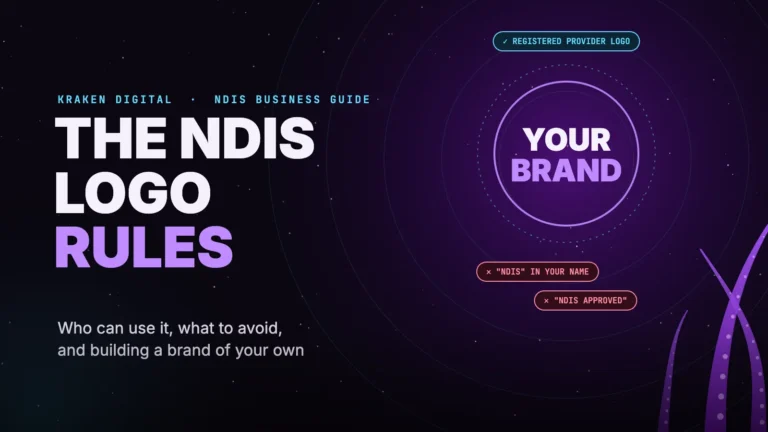
- Calling yourself a “registered provider”, or using the registered provider logos, unless you are registered with the NDIS Commission
- Phrases such as “NDIS approved” or “100% NDIS funded” that suggest funding is guaranteed
- Suggesting an affiliation with the NDIA or NDIS that doesn’t exist, including product names like “NDIS packages”
Our NDIS logo and branding guide covers these rules in full.
Free depth check
Want more participants to find you?
Send us your website and the supports you offer. We’ll check how you show up on Google and Maps, what a coordinator sees when they look you up, and what to fix first. No obligation.
How to get NDIS clients: FAQs
How do NDIS providers get clients?
Mostly through referrals from support coordinators, plan managers, local area coordinators and allied health professionals, and through participants and families searching Google and Maps. Word of mouth grows as you build a reputation.
How do I get referrals from support coordinators?
Make it easy: a one-page summary of your supports, participant groups, suburbs and capacity, a page for each support they can send to families, a same-day reply to referrals, and regular capacity updates.
Do unregistered NDIS providers get clients?
Yes. Self-managed and plan-managed participants can generally use unregistered providers for most supports. You can’t call yourself registered or use the registered provider logos, so your website and reputation need to build trust.
Should I use Google Ads to get NDIS clients?
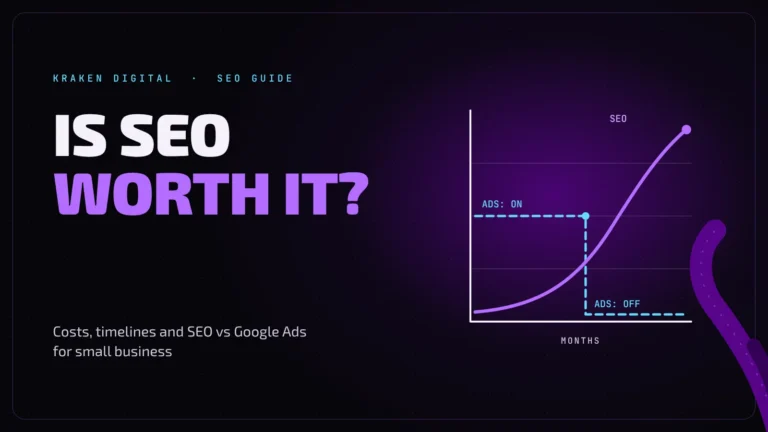
Ads can bring enquiries quickly while your SEO builds, but they stop when you stop paying. Avoid wording like “NDIS approved” or “100% NDIS funded” in ads.
How long does it take to get NDIS clients?
Referrals can start within weeks once you are known locally. Organic Google rankings usually take several months to build, so start both early.
Sources
Checked November 2026. NDIS rules change often, so confirm details with the NDIS Commission before you act.
More from the NDIS business guide
This article is one stop in our guide to starting and growing an NDIS business. Keep going:
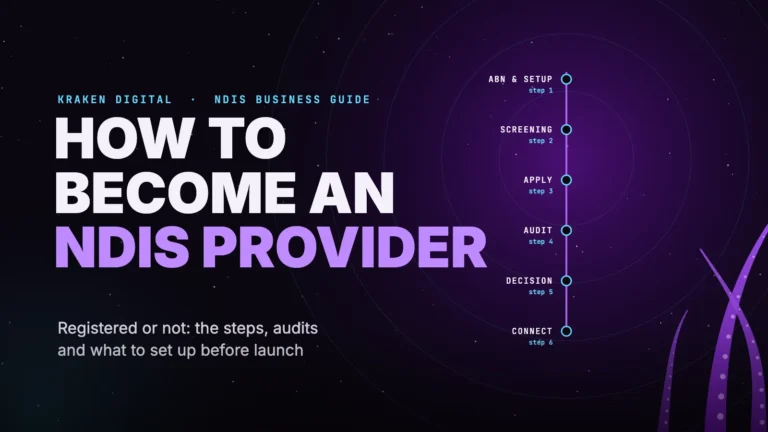
- StartHow to become an NDIS provider
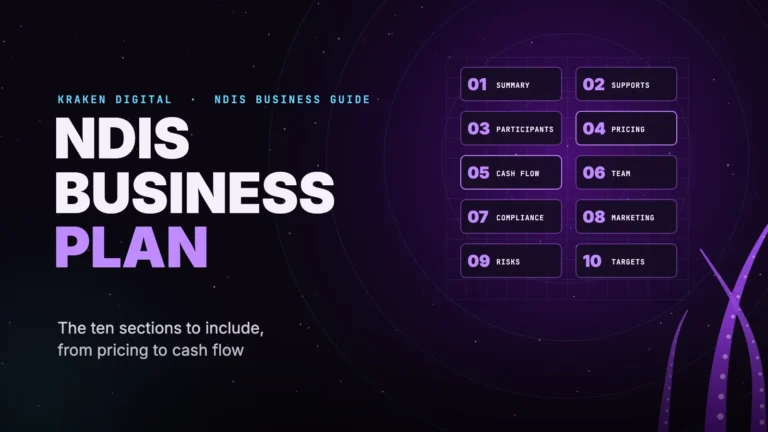
- StartNDIS business plan: what to include
- StartNDIS logo rules and branding your business
- Get foundWhat an NDIS website costs
- Get foundHow participants find providers online
- Get foundWebsite checklist for care providers
- Win clientsNDIS marketing strategy: a five-zone plan
// keep diving